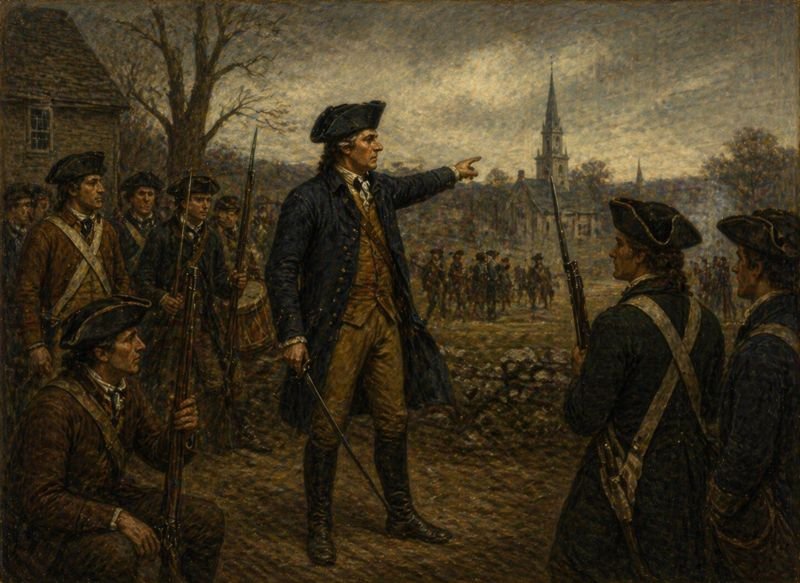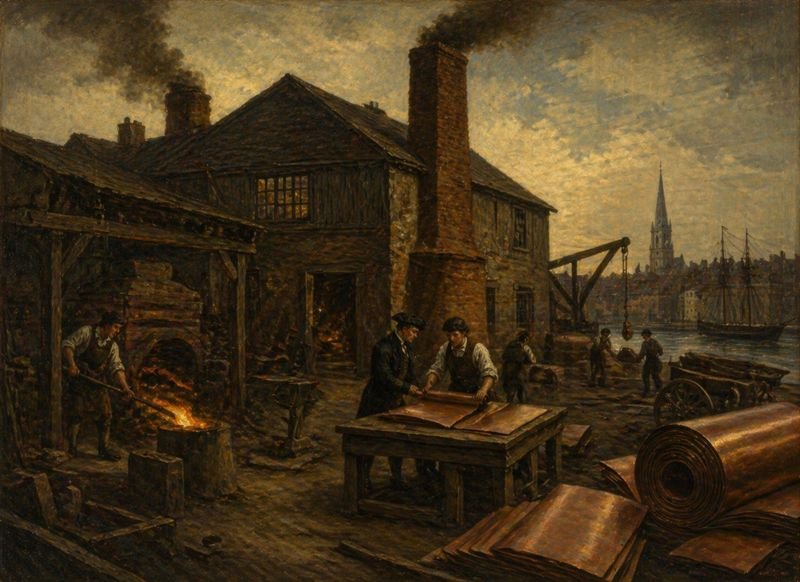
Paul Revere’s association with the Boston Massacre was not defined by his presence at the scene of violence, but by his decisive role in shaping how the event was understood, remembered, and mobilized politically. Through his skills as an engraver, his connections within Boston’s patriot networks, and his position within the city’s communication system, Revere helped transform a chaotic street confrontation into one of the most powerful symbols of British oppression in colonial America.
On the evening of March 5th, 1770, tensions in Boston had already reached a critical point. British troops stationed in the city since 1768 were widely resented, and confrontations between soldiers and civilians were common. When violence erupted outside the Custom House on King Street, resulting in the deaths of five colonists, the immediate priority for patriot leaders was not only to restore order but to define what had happened. It was in this crucial period, after the incident/event but before its meaning had been fixed/defined, that Revere’s contribution became central.
Within a short time of the massacre, Revere produced his now-famous engraving, commonly titled “The Bloody Massacre Perpetrated in King Street.” This image would become one of the most influential pieces of political propaganda in colonial America. It depicted British soldiers standing in a neat, disciplined line, firing a coordinated volley into a group of unarmed and orderly colonists. The scene was calm, structured, and deliberate, conveying the impression that the British soldiers had acted with intent rather than in confusion or self-defense.
This representation was a significant departure from the messy reality of the event. Eyewitness accounts suggest a chaotic confrontation involving a hostile crowd, thrown objects, and heightened tension on both sides. By removing these elements, Revere simplified the incident into a clear moral narrative: innocent victims versus oppressive British soldiers. This clarity was precisely what made the image so effective. It allowed viewers to immediately grasp the message and align themselves with the colonial cause.
Revere’s engraving was not entirely original; it was closely based on an earlier work by Henry Pelham. However, Revere’s version was produced and distributed more rapidly, ensuring that it reached a wide audience at a critical moment. In doing so, he effectively controlled the initial framing of the event. Timing was crucial in shaping public perception, and Revere’s ability to act quickly gave his interpretation a lasting influence.
The distribution of the engraving amplified its impact. Copies circulated throughout Boston and beyond, appearing in prints, pamphlets, and newspapers. For many colonists who had not witnessed the massacre firsthand, this image became their primary source of understanding. It transformed a local event into a shared colonial experience, reinforcing a sense of collective grievance and identity.
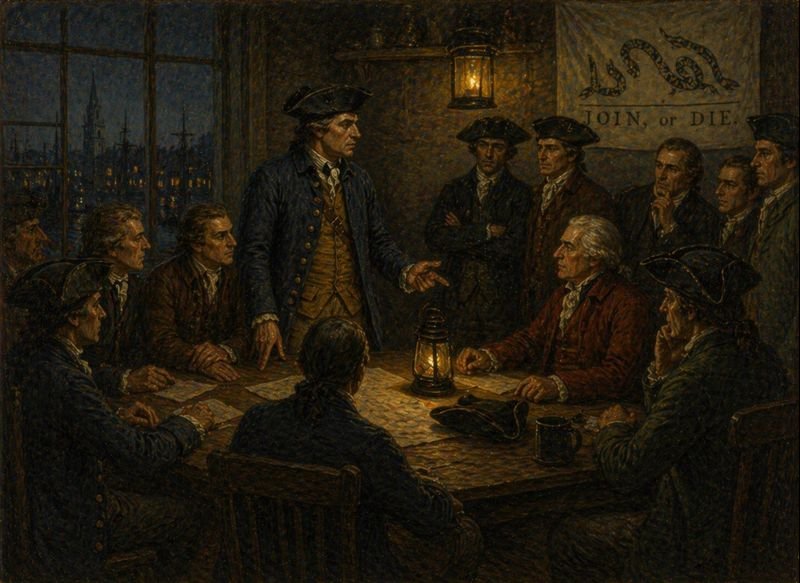
Revere’s association with the Boston Massacre also reflects his broader role within the patriot movement. He was part of a network that included figures such as Samuel Adams and members of the Sons of Liberty. These individuals worked together to coordinate resistance, manage information, and influence public opinion. Revere’s engraving was one element of a larger strategy that included pamphlets, speeches, and public commemorations.
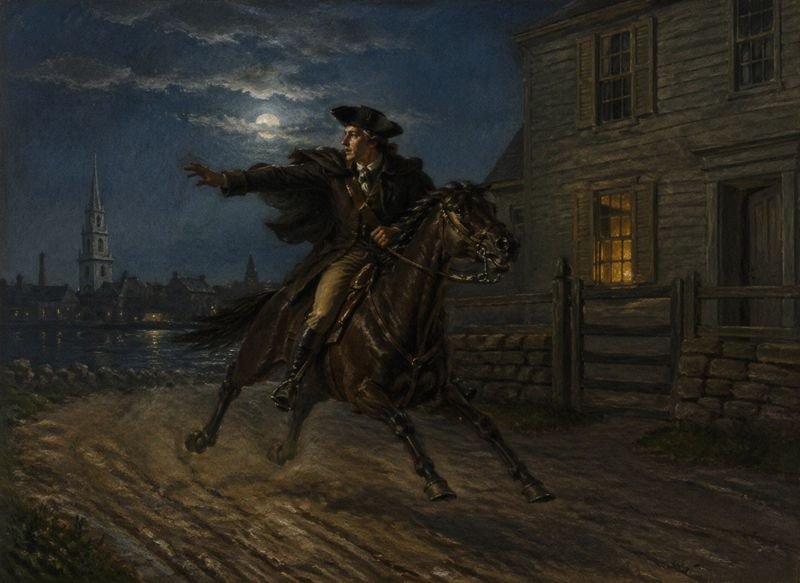
Beyond the engraving itself, Revere contributed to the communication systems that sustained the movement. As a courier, he carried messages between leaders and communities, helping to ensure that information about events like the Boston Massacre spread quickly and consistently. This role required trust and reliability, as well as a deep commitment to the cause.
The long-term significance of Revere’s work lies in how it shaped memory. The Boston Massacre might have remained a complex and contested event, but through his engraving and its widespread circulation, it became a defining symbol of British tyranny. This transformation had lasting consequences, influencing how the event was remembered in subsequent years and how it was used to justify resistance.
At the same time, Revere’s association with the massacre highlights the role of interpretation in history. His engraving was not a neutral or accurate record of what happened but a deliberate construction designed to persuade. It demonstrates how images can simplify, exaggerate, and reframe events in ways that serve political goals. This does not diminish its importance; rather, it underscores the power of visual media in shaping historical narratives.
In the broader context of the American Revolution, Revere’s response to the Boston Massacre illustrates how individual skills and actions can have far-reaching effects. By combining artistic ability with political awareness, he helped turn a moment of violence into a catalyst for change. His work ensured that the massacre would not be forgotten, but would instead become a rallying point for those who believed that British rule had become intolerable.
Ultimately, Paul Revere’s association with the Boston Massacre was defined by his ability to give the incident a certain meaning. Through his engraving and his role within the patriot network, he helped shape not only how the event was seen at the time, but how it has been remembered ever since.