Paul Revere’s house is one of the most important surviving landmarks of colonial Boston and a central site for understanding the life of Paul Revere and the broader story of the American Revolution. Located in Boston’s historic North End, the house is the oldest remaining structure in downtown Boston, dating back to around 1680. Its preservation and interpretation have made it a key educational tourist destination, offering visitors a tangible connection to the 18th century.
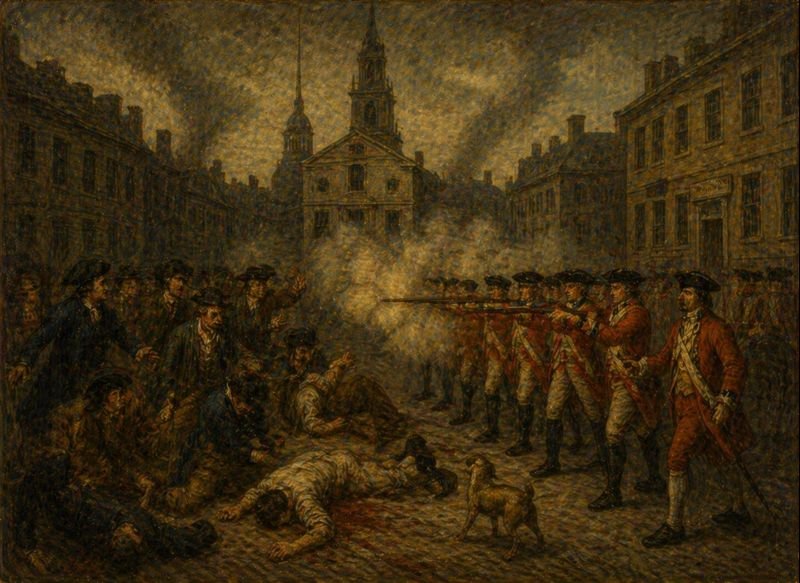
The significance of the Paul Revere House begins with its authenticity. Unlike many historic sites that have been heavily reconstructed, this building retains much of its original structure, allowing visitors to experience a genuine colonial home. Revere purchased the house in 1770, the same year as the Boston Massacre, and lived there with his family during a critical period leading up to the American Revolution. Walking through its rooms provides insight into both his personal life and the everyday realities of Boston’s artisan class.
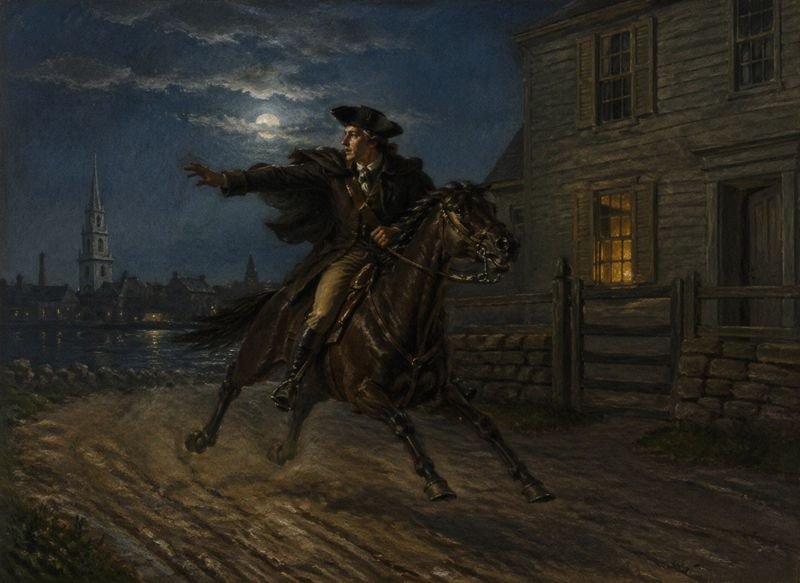
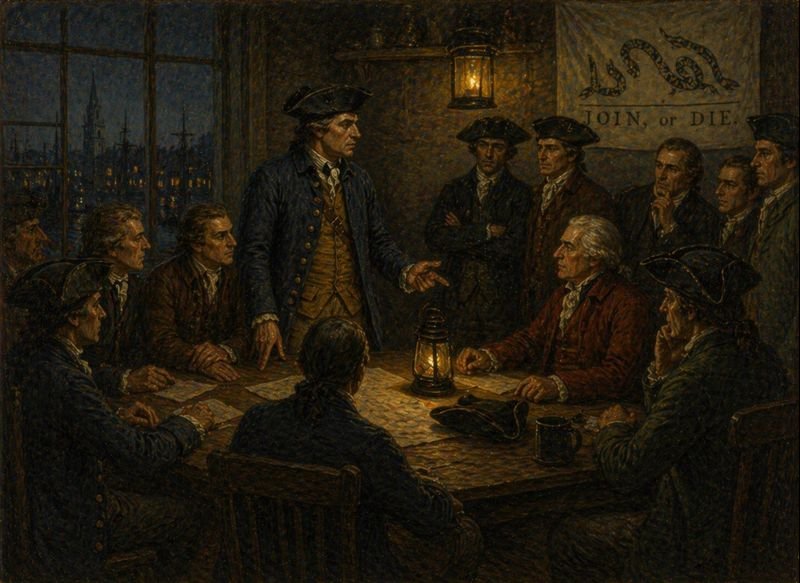
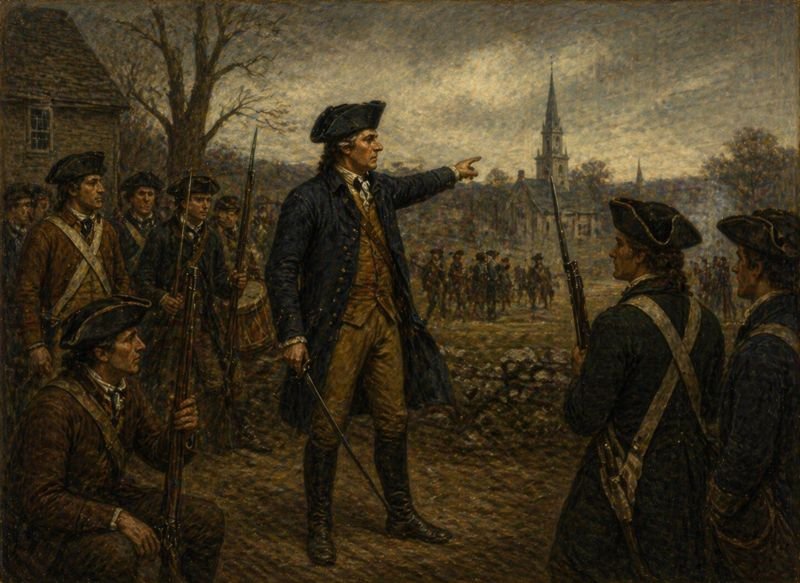
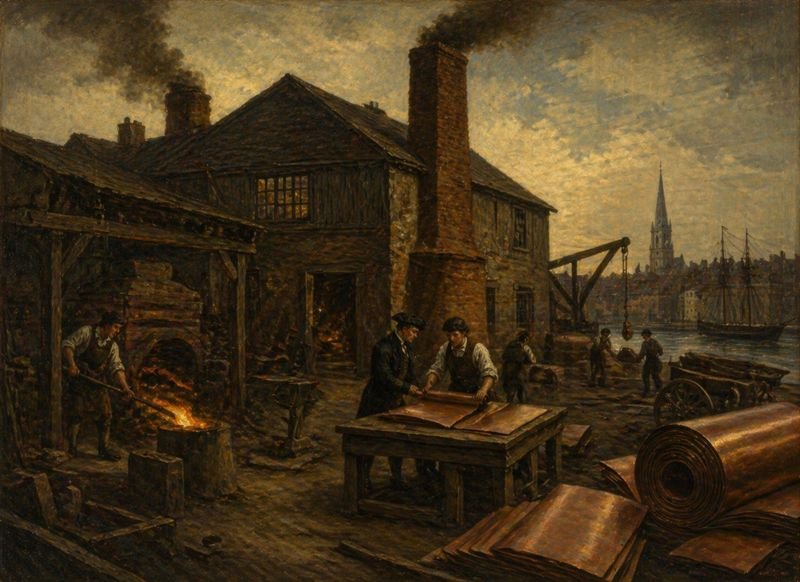
As an educational site, the house plays a crucial role in moving beyond simplified or mythologized accounts of Revere. Many visitors arrive with a basic understanding shaped by stories of his midnight ride, but the museum expands this narrative. Exhibits explore his work as a silversmith, his involvement in political networks such as the Sons of Liberty, and his role as a communicator and courier. By presenting a fuller picture, the site helps visitors understand that Revere was not just a single heroic figure, but part of a larger movement.
The house also provides context for the social and economic environment of colonial Boston. Displays and guided interpretation highlight how families lived, worked, and interacted in the 18th century. This includes information about domestic life, craftsmanship, and the structure of urban communities. By focusing on these everyday aspects, the site helps visitors see the Revolution not only as a political event but as something rooted in the experiences of ordinary people.
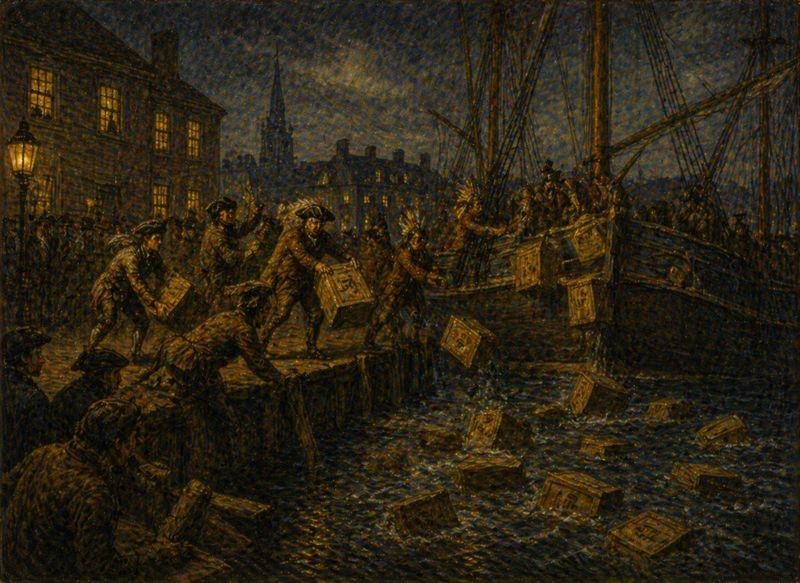
Another important educational aspect of the Paul Revere House is its role within the broader historical landscape of Boston. It is a key stop along the Freedom Trail, a walking route that connects major sites associated with the American Revolution. This positioning allows visitors to place Revere’s life within a wider narrative that includes events such as the Boston Massacre, the Boston Tea Party, and the early battles of the Revolutionary War. The house thus serves as both a standalone museum and a gateway to understanding the interconnected history of the city.
The site also emphasizes historical interpretation and critical thinking. Rather than presenting a single, fixed story, it encourages visitors to consider how history is constructed. For example, exhibits may address how Revere’s legacy has been shaped by later writers and artists, including the role of 19th-century literature in creating enduring myths. This approach helps visitors distinguish between historical fact and cultural memory, an important skill in understanding any historical subject.
From a tourism perspective, the Paul Revere House is significant because it combines accessibility with depth. Its relatively small size makes it easy to explore, whilst its location in the North End places it within a vibrant neighborhood that enhances the overall experience. Visitors can engage with history in a setting that still reflects the character of colonial Boston, rather than a detached or artificial environment.
The preservation of the house itself is also an important story. In the early 20th century, efforts were made to restore and protect the building at a time when urban development threatened many historic structures. Its survival reflects a growing recognition of the importance of historic preservation and the value of maintaining physical links to the past.
Ultimately, the Paul Revere House serves as more than just a memorial to an individual. It is an educational resource that connects personal biography, social history, and political events. By allowing visitors to step into a space where history was lived, it deepens understanding of the American Revolution and the people who shaped it.
Its importance as a tourist site lies not only in its association with a famous figure but in its ability to make history tangible, nuanced, and accessible. Through its preservation and interpretation, the Paul Revere House continues to play a vital role in educating visitors about colonial Boston and the origins of the United States.