Paul Revere used engraving not just as a craft but as a political weapon. In the decade before the American Revolution, his prints and images helped translate complex grievances into clear, emotionally compelling messages that ordinary colonists could understand and rally around. Nowhere is this more evident than in his famous depiction of the Boston Massacre, commonly known as “The Bloody Massacre Perpetrated in King Street.” However, this engraving was part of a broader body of anti-British imagery that played a crucial role in shaping colonial resistance.
Revere’s entry into political engraving coincided with rising tensions following measures such as the Stamp Act and later taxation policies. As protests spread, visual media became an increasingly important means of communication. Literacy rates varied, and even among the literate, images could convey urgency and emotion far more quickly than text. Revere understood this and positioned himself at the intersection of politics and print culture.
His engravings often employed symbolism, exaggeration, and selective representation to communicate a clear message. British officials were frequently depicted as oppressive or corrupt, whilst colonists appeared as victims or defenders of liberty. These images were not intended to be neutral records; they were persuasive tools designed to shape perception. In this sense, Revere functioned less as a journalist and more as a political communicator, crafting narratives that supported the patriot cause.
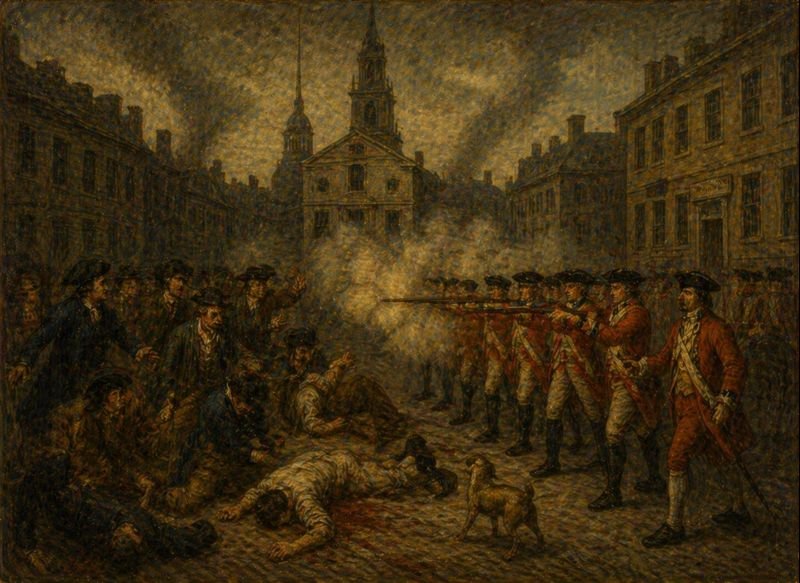
The most famous of these works, “The Bloody Massacre Perpetrated in King Street,” exemplifies this approach. Produced shortly after the events of March 5th, 1770, the engraving presents a highly stylized version of the confrontation. British soldiers are shown standing in a straight, disciplined line, firing a coordinated volley into a group of unarmed colonists. The victims are depicted as orderly and defenseless, with no indication of the confusion, crowd aggression, or thrown objects that contemporary accounts suggest were present.
The composition is deliberate. Captain Thomas Preston appears to be giving an order to fire, reinforcing the idea of intent rather than panic. The Custom House bears the label “Butcher’s Hall,” a subtle but powerful suggestion of deliberate slaughter. Even the setting contributes to the narrative: the sky is calm, the buildings orderly, and the soldiers composed, all of which contrast with the implied innocence of the victims. The message is unmistakable; this was not a chaotic event but a calculated act of brutality i.e., an atrocity.
It is important to note that Revere’s engraving was closely based on an earlier image by Henry Pelham. However, Revere produced and distributed his version more quickly, ensuring that his interpretation reached a wider audience. In doing so, he effectively controlled the narrative at a critical moment. Timing was essential; by shaping public perception early, Revere’s image became the dominant representation of the event.
The impact of this engraving cannot be overstated. It was widely circulated throughout the colonies, appearing in prints, pamphlets, and newspapers. For many people who had not witnessed the event, it became their primary understanding of what had occurred. The image simplified a complex situation into a clear moral dichotomy, making it easier to mobilize public outrage and unify resistance against British authority.
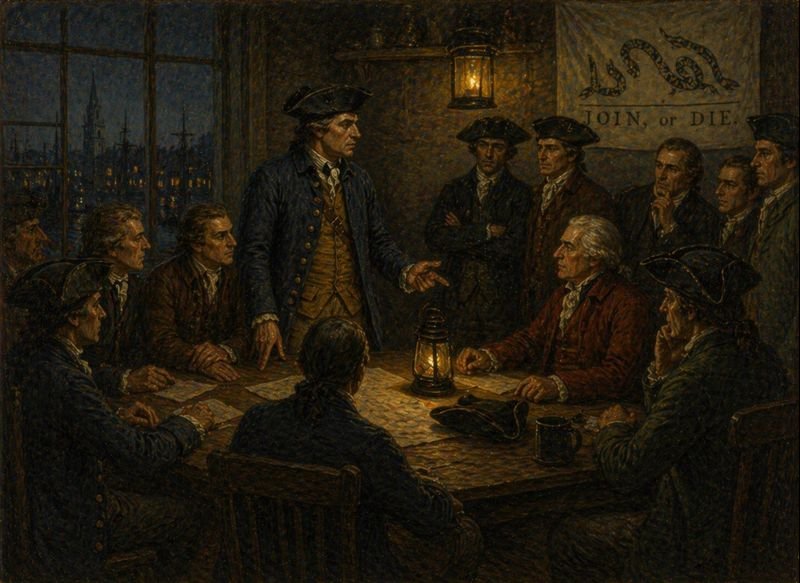
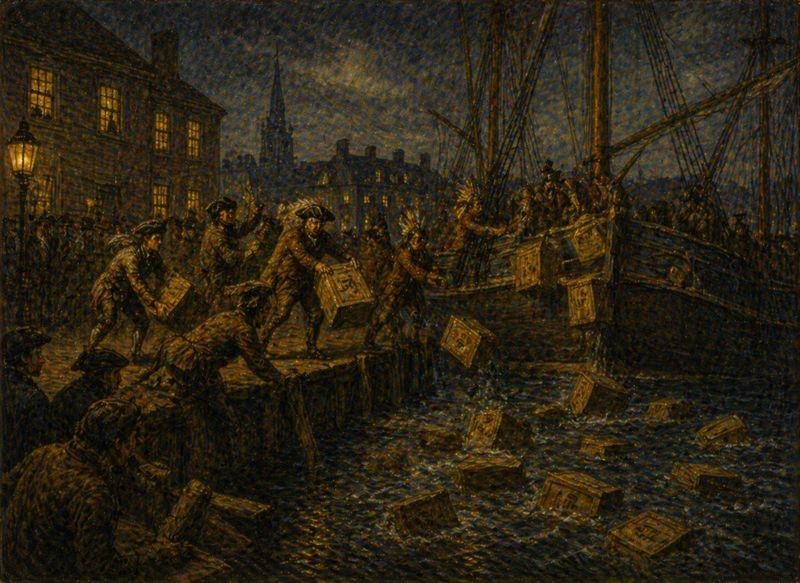
Revere’s anti-British imagery extended beyond the Boston Massacre. He produced engravings that criticized British policies, celebrated colonial unity, and highlighted acts of resistance. These works often incorporated familiar symbols, liberty trees, chains, broken bonds etc., to reinforce shared ideas. They were part of a broader communication network that included pamphlets, speeches, and public demonstrations, all working together to create a coherent narrative of oppression and resistance.
What makes Revere’s work particularly significant is its accessibility. Unlike lengthy political essays, his images could be understood at a glance. They appealed not only to educated elites but to artisans, laborers, and others who might not engage with written political discourse. In this way, his engravings helped democratize political communication, bringing the revolutionary message to a wider audience.
At the same time, his work raises important questions about accuracy and intent. By simplifying and reshaping events, Revere contributed to a version of history that emphasized certain elements whilst omitting others. This was not accidental; it was a strategic choice. The goal was not to provide a balanced account but to influence opinion and encourage action. In modern terms, his engravings functioned as propaganda, though they were widely accepted and effective in their time.
The broader significance of Revere’s anti-British engravings lies in their role in transforming isolated incidents and events into shared experiences. A confrontation in Boston could become a symbol for colonists in distant regions, creating a sense of common purpose. This was essential for a movement that sought to unify diverse colonies with varying interests and concerns.
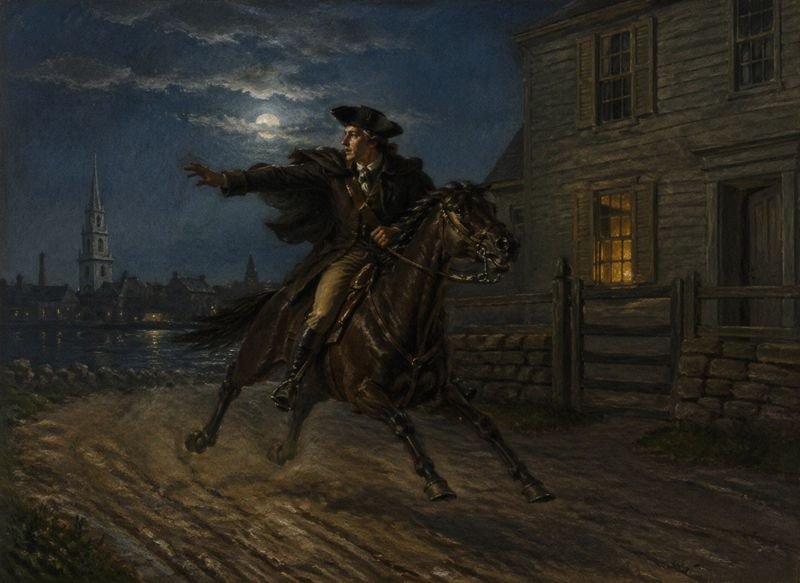
In the years that followed, the visual language established by Revere continued to influence revolutionary imagery. His work demonstrated the power of combining art, politics, and communication, setting a precedent for how visual media could shape public opinion. whilst his midnight ride in 1775 has become the most famous aspect of his life, his earlier contributions as an engraver were equally important in laying the groundwork for resistance.
Ultimately, Paul Revere’s anti-British engravings were not merely illustrations; they were instruments of political change. By crafting images that resonated emotionally and spread rapidly, he helped define how events like the Boston Massacre were understood. In doing so, he played a key role in turning local tensions into a broader movement that would culminate in revolution.